This blog is intended for teachers whom are looking to spice up their Earth Science classroom learning. The main component that the blog will utilize is the PBS Learning Media website. This blog will help ease the transition of the media website to incorporate it into your everyday lesson plan!!!
We all get a little bored sometimes...but don't fear, TECHNOLOGY is here!!!
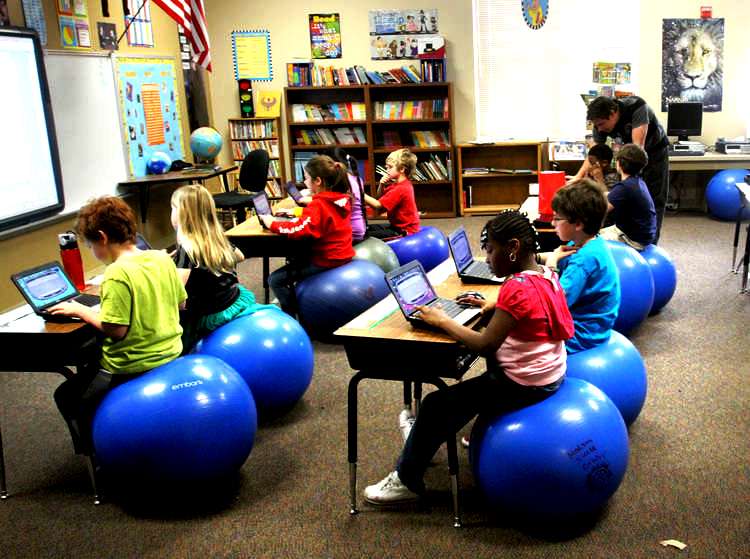
It is appropriate to use technology in classrooms when it enhances students learning of science concepts. Lessons should be student-centered interactive. Visualization, modeling and multiple representations have proved to support instructional objectives. Communication and collaboration is further included along with this technology as scientists utilize technology and the internet to communicate their findings. Overall it should enhance visualization of complex concepts (Bull et al).
"Computers have become an essential classroom tool for the acquisition, analysis, presentation, and communication of data in ways which allow students to become more active participants in research and learning. In the classroom, the computer offers the teacher more flexibility in presentation, better management of instructional techniques, and easier record keeping. It offers students a very important resource for learning the concepts and processes of science through simulations, graphics, sound, data manipulation, and model building." -NSTA Position Statement in The Use of Computers in Science Education
Using animation to enhance instruction: Textbooks have become outdated but the internet is where students are able to access the most current scientific information and concepts. "Many science websites that include animation makes concepts clearer to students by allowing them to hear vocabulary pronounced while watching the flow of a process as labels appear onscreen (Boles 2011)." In this way, teachers are able to utilize these websites to promote literacy even through the virtual world. Students can further utilize presentation softwares on the computer as they become familiar with the technology.
PBS LEARNING MEDIA WEBSITE:
As the main component of my blogsite, this interactive science education website that gives great insight for new and not so new teachers! This handy website goes in depth with hot Earth science topics and guides teachers through incorporating it into their daily lessons. There are supporting materials to guide you through productive classroom discussions and the content connects and correlates with NGSS!!! Find out more about how to use it in the "HOW TO USE" tab. :)

I love the first Glen Bull quote! Great job on convincing the audience how technology in the classroom can be beneficial, but I think pinpointing some cautions/pitfalls would be useful too - just to showcase that you know the ups AND downs about technology. Also, if you're focusing on PBS Learning Media, you should include more background information about that site as well. Overall, good Overview page!
ReplyDeleteI love the enthusiasm and you've embued into your writing and just the content of the pages! You make a very good point about the role of technology in visualizing concepts and building presentation skills.
ReplyDelete